
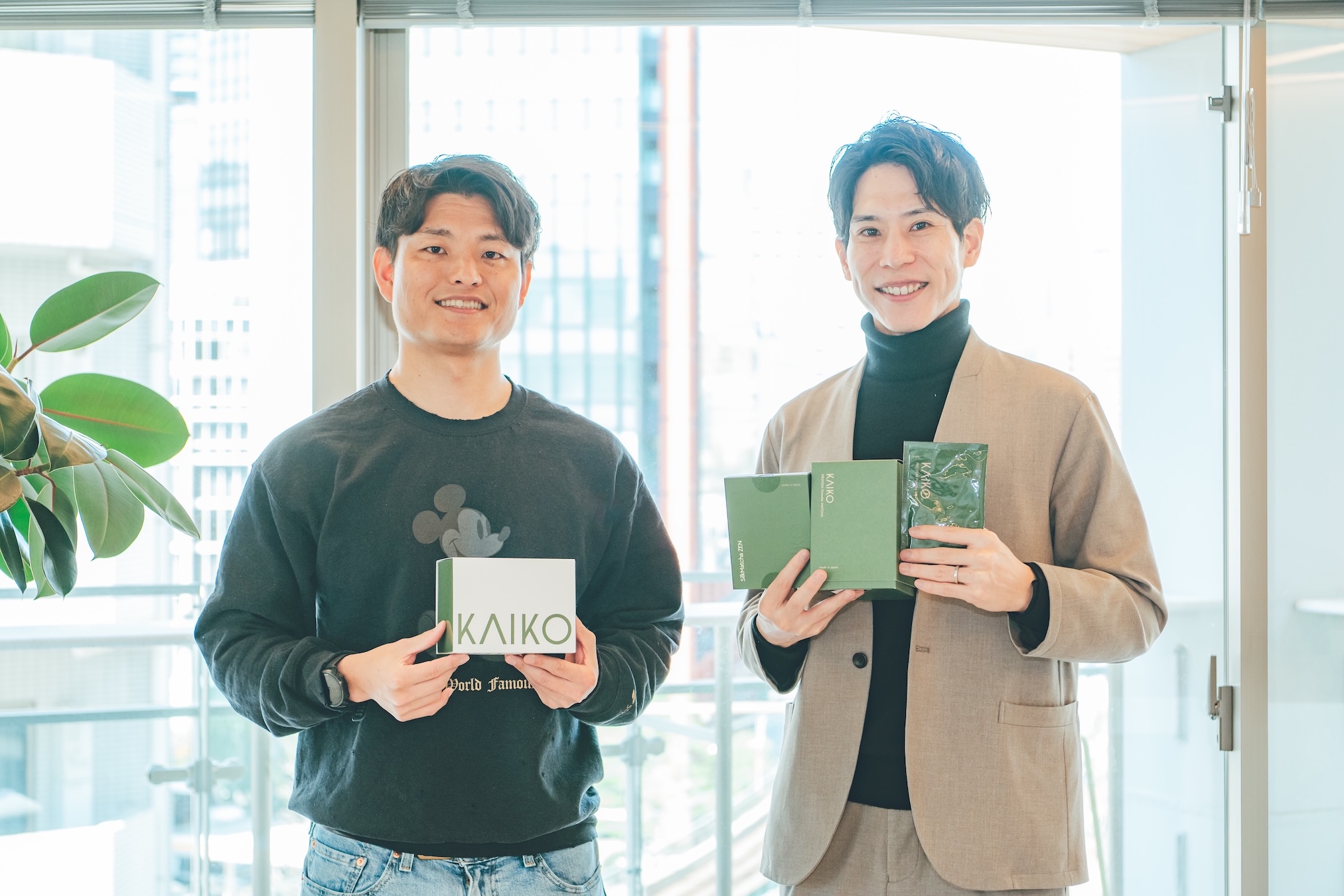
Morus, in collaboration with ZEROC Inc. (ZEROC), conducted a Life Cycle Assessment (LCA) calculation of silkworm powder. We are pleased to announce that the results of this project have been featured on ZEROC’s website.
LCA is a methodology used to comprehensively and quantitatively evaluate the environmental impact of a product or service throughout its entire life cycle—from raw material procurement through manufacturing, distribution, consumption, and disposal. With the support of ZEROC, which possesses advanced expertise in LCA, we calculated the greenhouse gas (GHG) emissions of our silkworm powder, “MorSilk® Powder.” We evaluated its environmental advantages by comparing it with existing animal proteins (beef, pork, chicken) as well as plant-based proteins (dry whey, soy, pea protein, etc.).
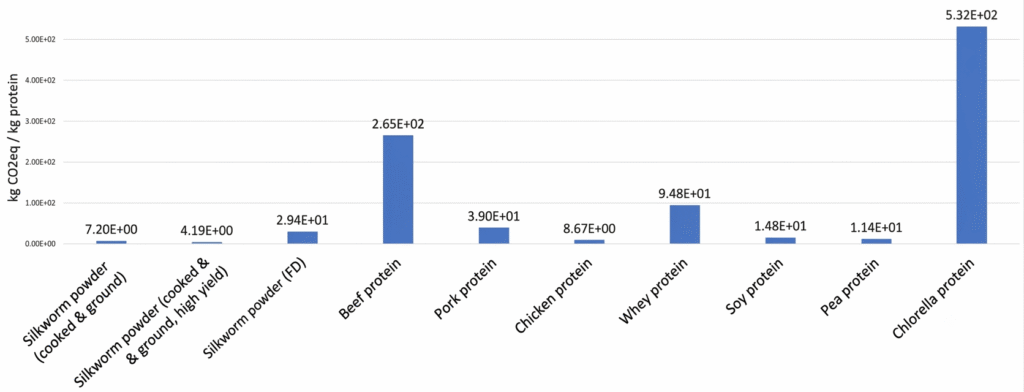
The results of this LCA evaluation revealed that the GHG emissions per kilogram of protein from silkworm powder are lower than those of equivalent amounts of beef, pork, and whey, demonstrating a relatively lower environmental impact. On the other hand, its GHG emissions are higher compared to chicken, soy, and pea protein, indicating room for improvement.
Utilizing the insights gained from this evaluation, we will continue to forge ahead toward achieving “Nutrition Security”—safeguarding human health and ensuring a stable food supply—while keeping sustainable environmental conservation firmly in mind.
The interview article with ZEROC covers the background of the project’s launch to our future outlook. We invite you to take a look.
Read the featured article here (Opens an external link) (Available only in Japanese)
